

The Reason Why European iPads Don't Come With A Charger In The Box
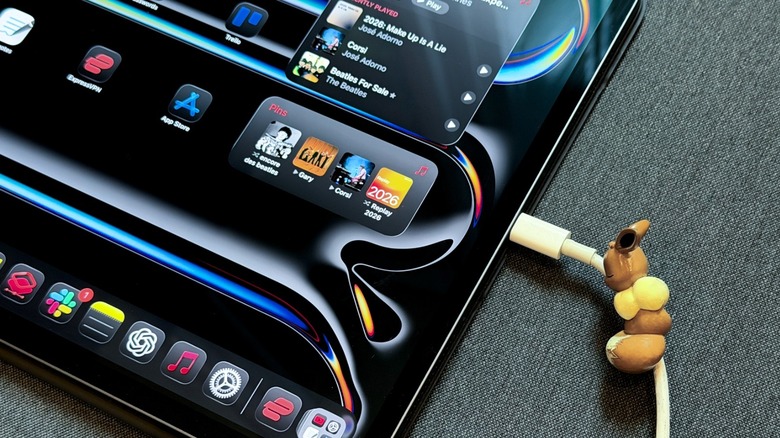
When Apple announced new iPad Pro and iPad Air models in mid-2024, European users realized there was something off about their iPad boxes compared to the ones across the globe: the power brick was missing. While Apple never addressed this change, it's likely due to the European Commission's Common Charger Directive, which forces tech companies to only sell devices with a USB-C port in Europe. Instead, consumers are supposed to be given a choice to include a charging brick if they need one as a way to avoid e-waste.
However, as tensions between the European Commission and Apple escalated, the American company, instead of offering customers an option of choosing between adding a power brick or not, decided to quietly remove it from the box, and offer the once guaranteed accessory as a standalone purchase. Worse than that, Apple didn't lower the price of its iPads, meaning that in Europe, getting an iPad and adding a proper power brick costs a few more euros.
Additionally, the change did not only affect iPads, but also MacBooks, as Apple's laptops no longer include a power brick, either. With that in mind, customers need to pay extra for that. In the case of a 14-inch MacBook Pro, customers need to pay an extra 85 euros to get a 96W power brick, making these tech products a lot more expensive than they already are.
E-waste vs. Apple's PR battle against the EU
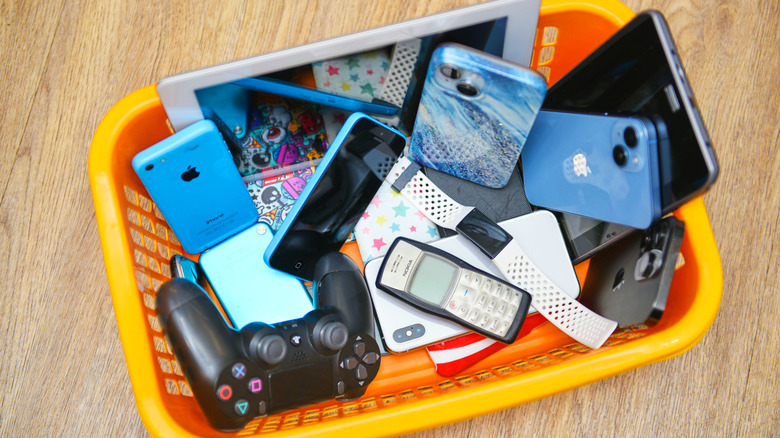
While the Waste From Electrical and Electronic Equipment directive has been available for over two decades, with updated information added over time, the past few years have also had important directives that changed the behavior of the tech industry. For example, as of December 2024, all new mobile phones, tablets, and headphones sold in the EU must be equipped with a USB-C charging port, while laptops have only been required to comply with that since April 2026.
Furthermore, in mid-2025, strict new rules applied to the design of smartphones and tablets require them to be made more durable, provide clear energy labelling (the iPad Pro has a terrible G labelling), and ensure spare parts, like batteries and screens, will be available for at least seven years. In general, the European Union wants to ensure that e-waste can be diminished, while Apple decided to comply with these legislations in the most Apple way possible: not offering a power brick, even though most users only switch laptops and tablets after so many long years.
While the company could make the experience better for customers, it continues its agenda to blame the European Commission for not being able to deliver new software features due to local legislation. It seems a little petty to not even offer a simple power brick when the directive doesn't say the company can't offer a power brick with a new device.